
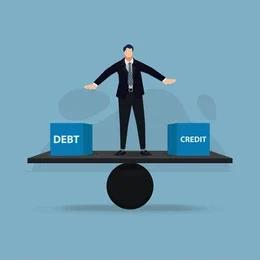
Debt and credit are often used interchangeably in everyday conversations, but they are not the same thing. Understanding the difference is essential for anyone working toward financial independence. While both involve borrowing money, they play very different roles in personal finance. One represents an obligation you already owe, while the other represents the ability to borrow when needed.
Learning how these two concepts work can help you manage your finances more effectively and avoid common mistakes that slow progress toward financial freedom.
What Is Credit?
Credit refers to your ability to borrow money from a lender with the agreement that you will repay it later, usually with interest. Examples of credit include:
- Credit cards
- Lines of credit
- Personal loans
- Mortgages
- Auto loans
When a lender provides credit, they are essentially trusting that you will repay the borrowed funds according to agreed terms. Your creditworthiness is typically assessed through factors such as your credit history, credit score, and income stability. Credit itself is not inherently good or bad. It is simply a financial tool.
What Is Debt?
Debt is the actual amount of money you owe after borrowing. Once you use credit, for example, by charging purchases to a credit card or taking out a loan, the borrowed amount becomes debt. Therefore, debt represents a financial obligation that requires repayment over time and often includes interest costs. For example:
- If you have a credit card with a $10,000 limit, that is available credit.
- If you have charged $2,000 to that card, the $2,000 is your debt.
Understanding this distinction is important because many financial decisions depend on how credit is used and how debt is managed.
Why The Difference Matters
Many people associate credit entirely with debt and assume both are negative, but in reality, credit can be useful when used responsibly. Credit can help you:
- Manage short-term cash flow
- Make large purchases such as homes or education
- Build a positive credit history
Debt becomes problematic when it grows faster than your ability to repay it. High-interest debt, particularly from credit cards, can significantly slow wealth building and delay financial independence. Consequently, for individuals pursuing financial independence, minimising high-interest consumer debt is especially important. Nonetheless, the goal is not necessarily to avoid credit altogether, but to manage debt carefully and strategically.
Not all debt is equal. Some forms of borrowing can support long-term financial goals, while others can create financial stress.
Types of Debt: Helpful vs Harmful
| Lower-risk or strategic debt | Higher-risk debt |
| Mortgages used to purchase a primary residence | High-interest credit card balances |
| Student loans that improve earning potential | Payday loans |
| Business loans used to generate income | Consumer debt used for discretionary spending |
How To Manage Credit Responsibly
Using credit wisely can help you maintain financial stability while working toward long-term goals. A few practical habits include:
- Pay balances in full whenever possible: Paying off credit card balances each month prevents interest from accumulating.
- Monitor your credit utilisation: Using a large percentage of your available credit can negatively impact your credit score.
- Avoid unnecessary borrowing: Credit should support financial decisions, not enable spending beyond your means.
- Track your obligations: Knowing how much debt you carry and when payments are due helps prevent financial surprises.
Credit and Financial Independence
Financial independence is built on reducing dependence on borrowed money over time. While credit can play a useful role early in life, long-term freedom typically involves decreasing outstanding debt and increasing owned assets.
As savings and investments grow, reliance on credit tends to decline. Eventually, financial stability comes not from borrowing power but from accumulated wealth. Understanding the relationship between credit and debt helps you make decisions that support this transition.
Conclusion
Credit and debt are closely related, but they represent different financial realities. When used responsibly, credit can support important financial goals. However, unmanaged debt can create long-term obstacles to financial independence. By understanding the difference and managing both carefully, you create a stronger financial foundation for building lasting freedom.










Leave a Reply